
The 2025 Australian Institute of Architects Awards have just wrapped up, and we’re pleased to share that five projects involving Tensile Design & Construct received recognition this year.
These awards highlight the strength of the collaborations behind each project — architects, builders, engineers and specialist partners working together to deliver better, safer and more thoughtful places for communities. For our team, it’s a reminder that the small details we contribute to a project can play a meaningful role in the overall outcome.
Here are the five awarded projects featuring Tensile systems:
Eva and Marc Besen Centre — Kerstin Thompson Architects
A calm, generous building for community and culture.
Tensile’s role: lightweight stainless-steel mesh balustrades that give safe edges without interrupting sightlines or the building’s sense of openness.
Paula Fox Melanoma and Cancer Centre — Lyons
A major clinical and research facility with a focus on light and wellbeing.
Tensile’s role: discreet barrier systems designed to meet strict safety requirements without compromising transparency or natural light.
The Shed, University of Tasmania — Wardle
A flexible learning space that celebrates structure and craft.
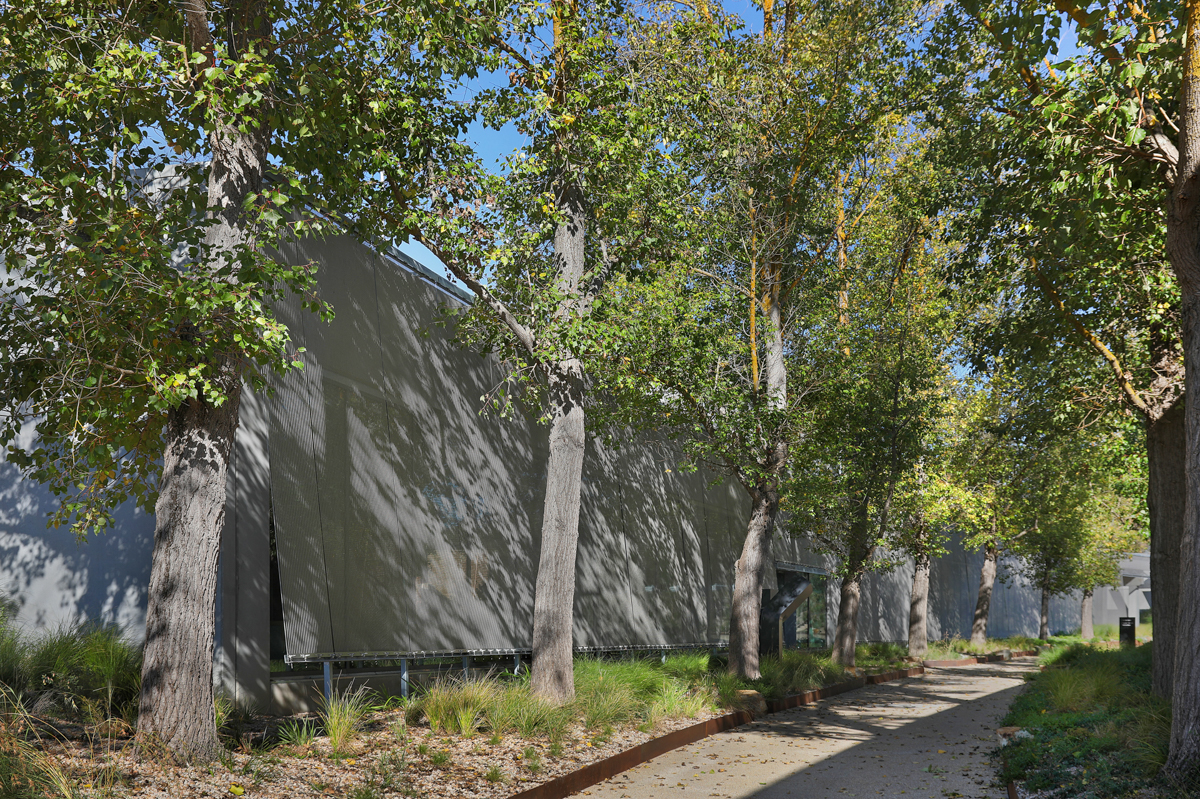
Tensile’s role: fine cable-mesh elements used around circulation spaces to maintain visual connection while keeping the environment safe for students.
St Joseph’s Catholic Primary School, Rosebery — Neeson Murcutt Neille
A bright and uplifting multi-level school environment.
Tensile’s role: child-safe mesh balustrades and fall-protection elements that enhance visibility through shared learning and play areas.
Geelong Laneways: Malop Arcade — NMBW Architecture Studio with ASPECT Studios
A subtle and thoughtful laneway renewal project.
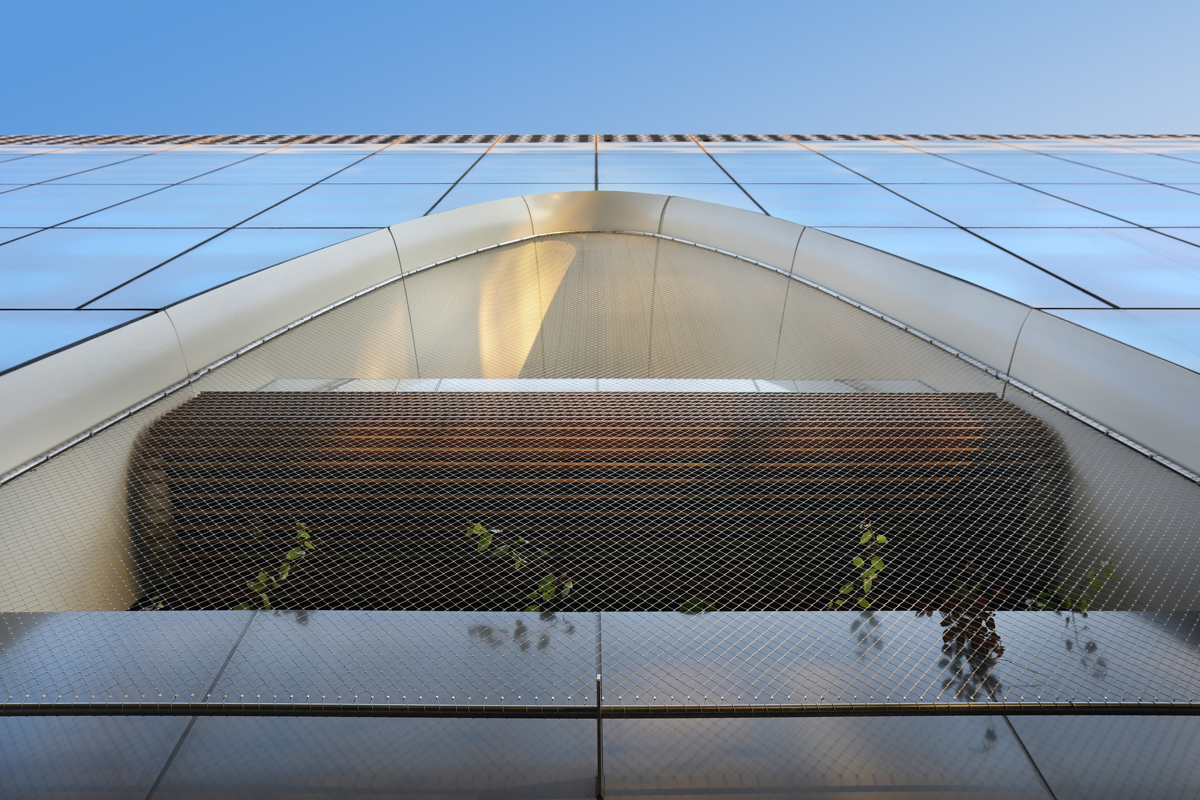
Tensile’s role: bespoke cable and mesh components used for screening and greening, supporting a project focused on fine-grain urban repair.
Across these very different project types — cultural, clinical, educational and urban — we’re seeing a similar pattern emerge:
- Safety doesn’t need to feel heavy.
- Lightweight materials can open up a space rather than close it down.
- Mesh barriers blend in quietly and let the architecture do the talking.
- Good collaboration early on helps these systems integrate cleanly and efficiently.
These awards belong to the architects who led the work, but we’re proud to have played a small part in supporting their design intent.
If you’re working on a project where transparency, safety or lightness matter — from schools and bridges to public spaces and facades — we’re always happy to discuss what’s possible.
Sometimes the simplest solutions make the biggest difference.